Have you ever noticed how your language app gets better at understanding your mistakes, or how your phone predicts what you’re about to type? That’s not coincidence, it’s adaptive AI working quietly behind the scenes.
In today’s fast-moving digital world, users expect technology that not only helps but understands them. Adaptive AI is transforming how machines interact with people by continuously learning, adapting, and improving from every action you take. Let’s explore what it is, how it works, and where it’s already shaping our daily lives.
What Is Adaptive AI?
Adaptive AI stands for artificial intelligence that learns and adjusts itself based on your behavior and usage patterns. Unlike traditional AI systems that follow fixed instructions, adaptive AI systems evolve. They analyze how you interact with them, recognize your habits, and adjust their responses to become more accurate and helpful over time.
In simple terms, adaptive AI is like having a personal assistant who gets better the more you work with it.
Here are some everyday examples:
- Duolingo tailors lessons based on which words or grammar rules you struggle with.
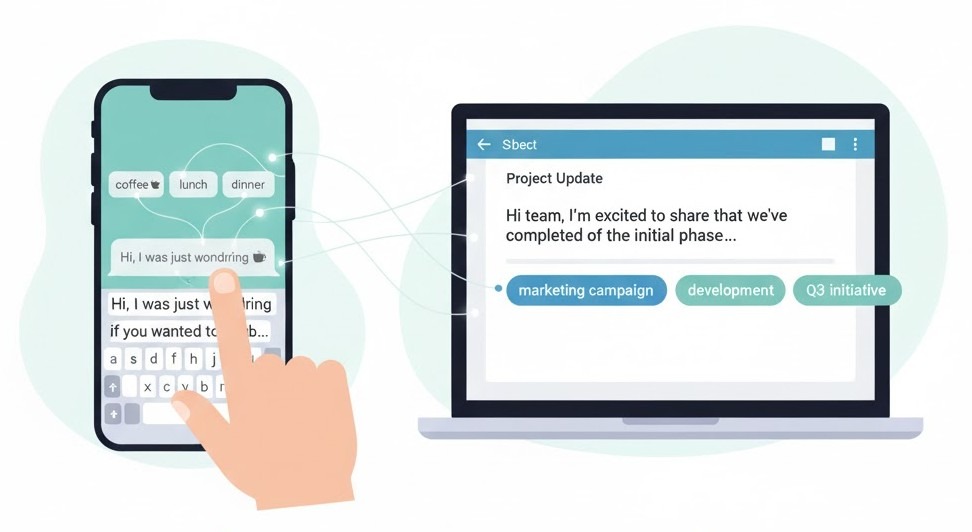
- Typing suggestions on smartphones and email clients learn your writing style to predict what you’ll type next.
- Fitness apps analyze your workouts and suggest new goals as your stamina improves.
Each of these uses adaptive AI to create a personalized experience that feels almost human.
How Does Adaptive AI Work?
Adaptive AI operates through a continuous learn–analyze–adapt cycle. It doesn’t just perform tasks; it studies your behavior, makes predictions, and fine-tunes its performance over time. Here’s how it works step by step:
- Data Collection:
The system observes how you interact with it, for example, your speed in completing lessons, the words you often use, or the time of day you prefer to work out. - Pattern Recognition:
Using algorithms and machine learning, adaptive AI identifies trends in that data. It might notice that you’re more accurate when learning in the morning or that you often correct certain words while typing. - Prediction:
Based on those patterns, the AI begins to anticipate your needs. It predicts what might help you next like reviewing harder lessons or suggesting commonly used phrases. - Adaptation and Improvement:
The AI then updates its model to provide better, more personalized responses. Every interaction feeds back into the system, creating a continuous learning loop.
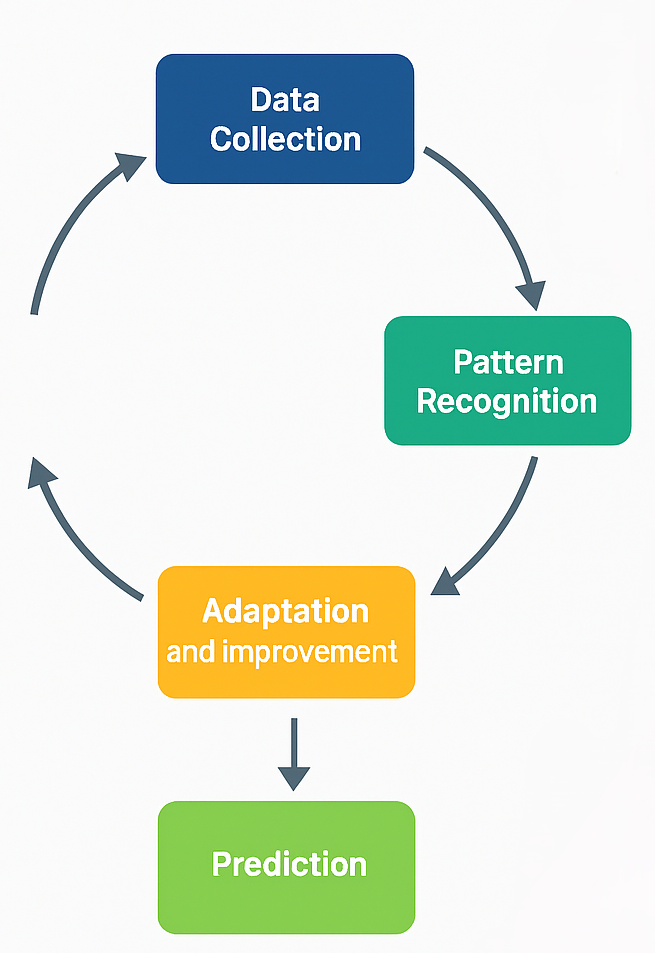
Because of this feedback cycle, adaptive AI never stops improving. The more you use it, the more accurate and helpful it becomes.
Applications of Adaptive AI
Adaptive AI is all around us, often in tools we use daily without realizing it. Its applications span across industries and technologies.
1. Education and Learning Platforms
Apps like Duolingo, Khan Academy, and Coursera use adaptive AI to personalize learning. They adjust difficulty levels, recommend review topics, and pace lessons according to how quickly you learn. This makes education more efficient and tailored to individual needs.
2. Writing and Typing Assistants
Typing suggestions on your smartphone or AI writing tools like Grammarly and Google Docs Smart Compose learn from your writing habits. Over time, they start mirroring your tone, vocabulary, and preferred phrases, saving time and reducing errors.
3. Fitness and Health Applications
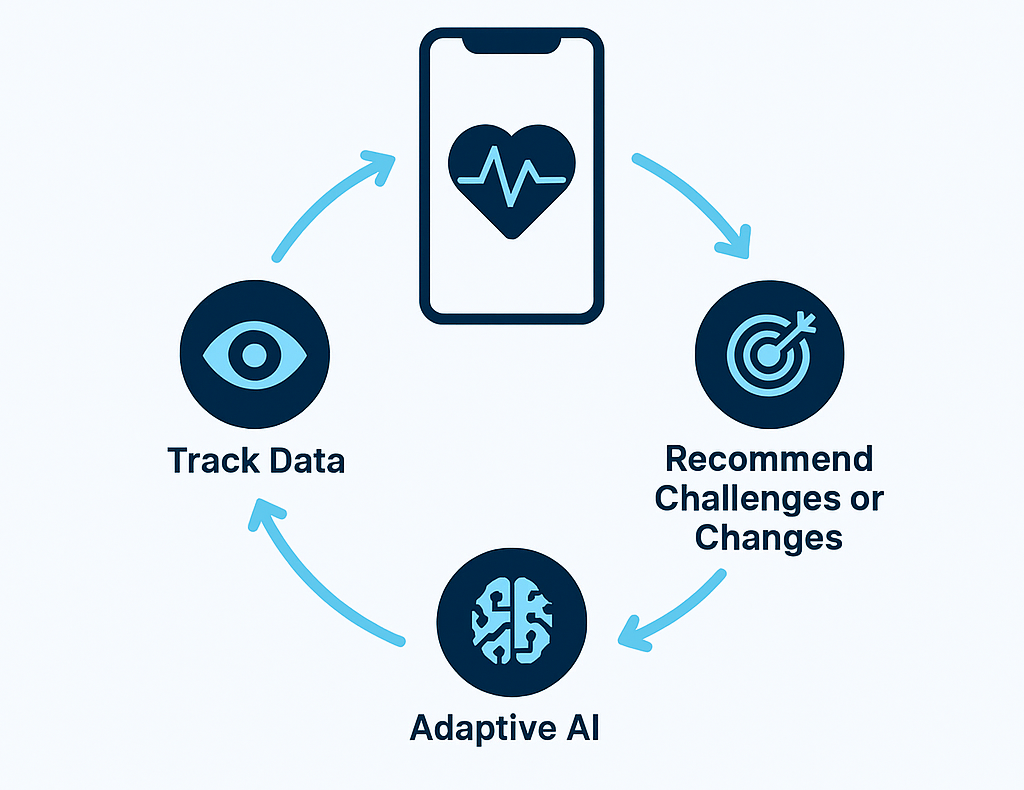
Fitness apps such as Fitbit or Apple Health use adaptive AI to track your workouts, sleep, and heart rate. They then recommend changes or challenges to match your progress, keeping your health goals realistic and achievable.
4. Customer Experience and Marketing
Businesses use adaptive AI to understand customer preferences. From Netflix recommending shows you’ll love to Amazon suggesting products you might buy next, adaptive AI personalizes every experience, increasing satisfaction and engagement.
5. Smart Devices and Assistants
Voice assistants like Siri, Alexa, and Google Assistant use adaptive AI to understand your speech patterns, routines, and preferences. The more you interact, the more natural and useful their responses become.
The Future of Adaptive AI
As adaptive AI continues to advance, we can expect it to influence even more fields, from personalized healthcare to dynamic business strategies and autonomous vehicles. Soon, our devices won’t just follow commands; they’ll anticipate needs, making interactions smoother and more intuitive than ever before.
In the future, adaptive AI will not only assist us, it will grow with us.
Adaptive AI represents the next leap in artificial intelligence. It’s more than smart code, it is technology that listens, learns, and adapts. From the apps on your phone to the tools that power businesses, adaptive AI is quietly reshaping the world, one interaction at a time.
The next time your app seems to “know” what you want, remember: it’s not guessing. It’s learning.