Artificial Intelligence is changing the world around us in many different ways. It is not just about robots and gadgets. AI is already making a real difference in many areas of our lives. Let’s explore the benefits of AI and how it is helping the world become smarter, safer, and more connected.
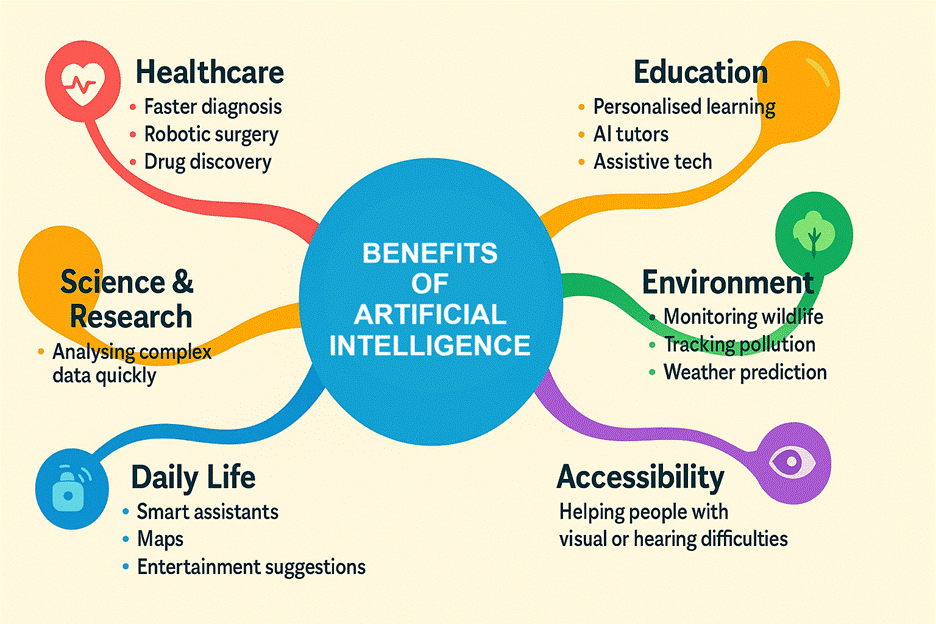
AI in Healthcare: Supporting Doctors and Saving Lives
In hospitals and clinics, Artificial Intelligence is helping doctors and nurses take better care of patients. AI tools are trained to study medical records and can quickly find problems by looking at things like X-rays, scans, and test results. For example, if a person has a broken bone or signs of an illness, AI can spot it fast and help doctors start the right treatment without delay.
AI is also being used in robotic surgeries. In these surgeries, smart machines assist doctors in doing operations more accurately and gently. Because of this, the surgeries are usually less painful, take less time to heal, and patients can go home sooner. This not only helps the patients feel better faster but also frees up space in the hospital for others who need care.

Another smart use of AI is in virtual nursing assistants. These are AI-powered programs that help patients and caretakers by answering questions, reminding people to take their medicines, or checking on how someone is feeling. This reduces the number of visits to the hospital and makes healthcare more comfortable, especially for older people or those living far from hospitals.
It can also help in developing new medicines by quickly testing many different chemical combinations to find which ones might work against diseases like cancer or infections. What used to take years, AI can now help scientists do in months.
Overall, AI in healthcare is saving time, reducing mistakes, and making sure patients get the right treatment faster. It helps doctors focus more on caring for people while the machines handle the data and patterns.
AI in Science and Research: Discovering New Things
AI is also playing a big role in science and research. You can think of AI as a very fast and smart helper for scientists. It can read and study huge amounts of information in just a few seconds, something that would take a person hours or even days to do.
Scientists are now using AI to study space, weather, health trends, climate change, and ocean life. For example, when scientists gather a lot of data from space or from the ocean, AI can help find patterns that are hard to see with human eyes. This helps them to understand things like why a storm happened, how diseases spread, or where endangered animals live.
Fun Fact
Artificial Intelligence helped scientists discover two new planets, K2‑293b and K2‑294b, by carefully analyzing old space data from NASA’s Kepler telescope. The signals from these planets were too faint for humans to detect, however AI was able to identify it.
You can read more about it at here.
AI can also test different ideas or run experiments on a computer before they are tried in real life. This saves time, money, and effort. It helps scientists try out many possibilities quickly to see what works best.
Another way AI is helping is by creating new inventions. Whether it is a new kind of robot, a smart tool, or a better way to use energy, AI gives scientists the power to think faster and build smarter things. It also helps bring together research from different parts of the world, making science more connected and collaborative.
Because of AI, discoveries that once took years can now happen in weeks or months. It is speeding up progress and helping scientists solve real-world problems faster than ever before.
AI in Everyday Life: Making Things Easier
AI is not just used in hospitals, schools, or science labs. It is also part of our everyday life and helps make small tasks easier and faster, often without us even realizing it.
One common use of AI is in voice assistants like Alexa, Siri, or Google Assistant. These assistants can answer questions, play music, tell jokes, or remind you about homework and appointments just by listening to your voice.
AI is also used in navigation apps like Google Maps. It checks traffic, road blocks, and accidents to show you the fastest way to get to your destination. This is helpful whether you’re travelling to school, a friend’s house, or going on a trip with your family.
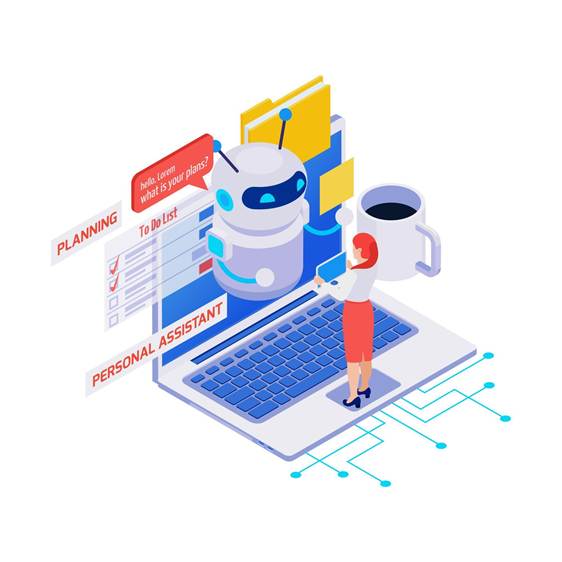
When you watch a show on Netflix or listen to songs on a music app, AI recommends what to watch or listen to next. It learns your choices and suggests similar movies or songs you might enjoy. The same thing happens when you shop online, AI shows you products based on what you like or have searched for before.
In smart homes, AI powers devices that can control lights, fans, TVs, and even doorbells. You can speak to them or use your phone to make things work.
Many people also use AI for online learning, language translation, or even for finding recipes, sports scores, or news updates.
AI makes daily life more convenient, saves time, and adds comfort to how we live, study, and play.
AI in Education: Making Learning Personal
Artificial Intelligence is changing the way students learn at school and at home. Every student is different, some learn quickly, while others need more time or a different way of learning. AI helps by giving each student the kind of learning that works best for them. For example, AI-powered learning apps can adjust the level of difficulty based on how a student is doing. If a student is struggling with math, the app can give easier questions and explain the steps slowly. But if a student is doing well, it can give harder questions to keep the learning exciting.
AI can also act like a tutor. It can help with homework by giving hints, explanations, and examples. Students can ask questions at any time, even after school hours.
Children with learning challenges also benefit from AI. Tools like speech-to-text help students who have trouble writing. Text-to-speech helps students who have difficulty reading. This means that all children, no matter their ability, can learn comfortably.
Teachers also use AI to keep track of homework, quizzes, and class performance. It helps them know which students need more attention. Some schools use AI to create interactive lessons using videos, games, or virtual activities, making learning fun and interesting.
With AI, learning becomes more personal, easier to follow, and more exciting for everyone.
AI and the Environment: Protecting Our Planet
Artificial Intelligence is also helping people take better care of the Earth. Scientists and environmental experts use AI to study nature, track animals, and reduce pollution.
One way AI helps is by monitoring wildlife. Cameras in forests or oceans send pictures and videos, and AI studies them to see where animals live and how they behave. This helps protect endangered animals like tigers, turtles, and elephants, and allows scientists to stop illegal hunting or habitat destruction.
AI also watches the environment to check for pollution in air, water, and soil. It collects data from sensors in cities, rivers, and forests, and shows where pollution is rising. This helps communities and governments take action, like planting more trees, cleaning rivers, or stopping harmful factory waste.
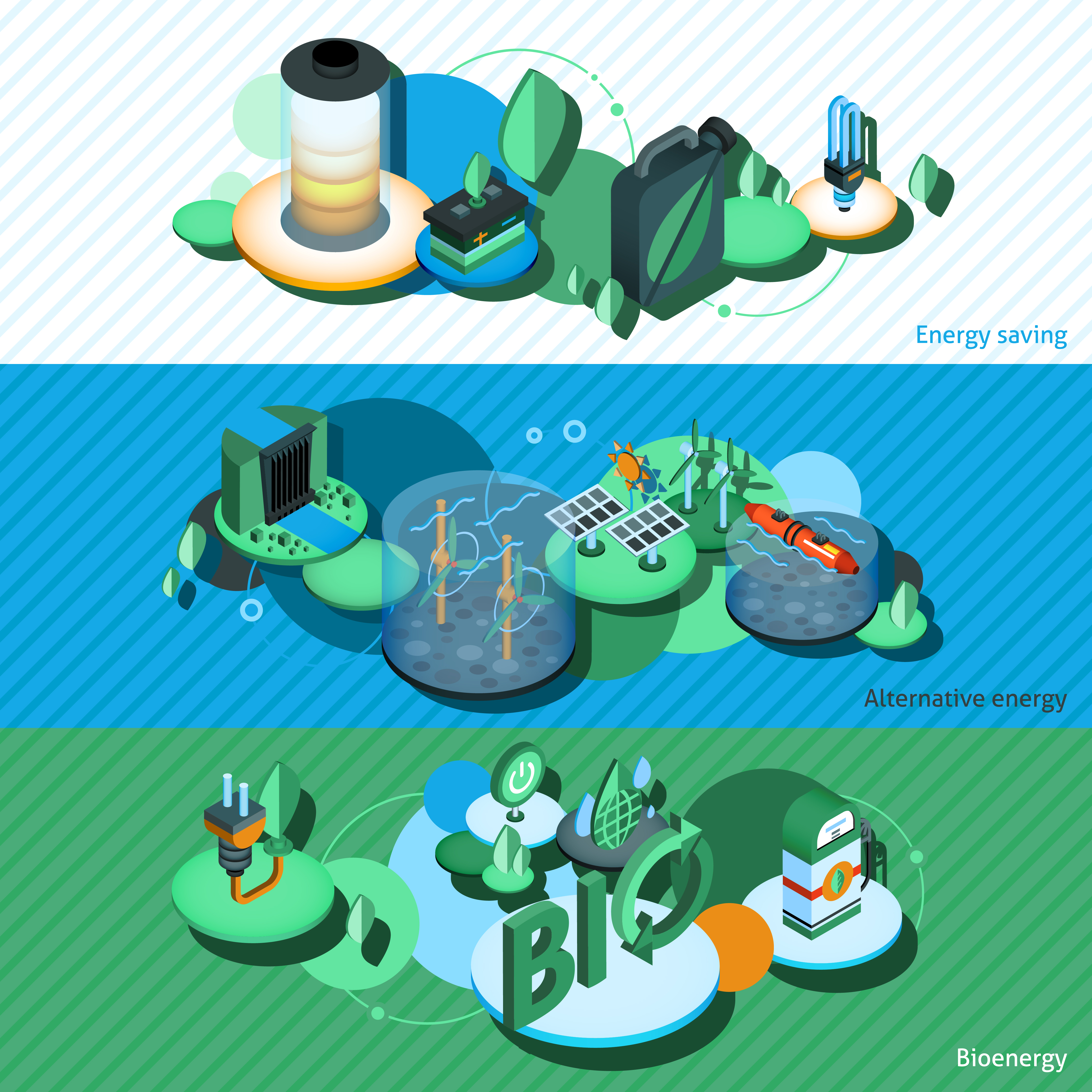
Another use of AI is in weather forecasting. It looks at weather data and gives early warnings about storms, floods, or heatwaves. For example, if a cyclone is coming, AI can help warn people in time to stay safe.
AI is also helping with farming and growing food. Smart systems tell farmers when to water crops, add fertilizer, or protect plants from pests. This helps grow more food while using less water and chemicals, which is better for the Earth.
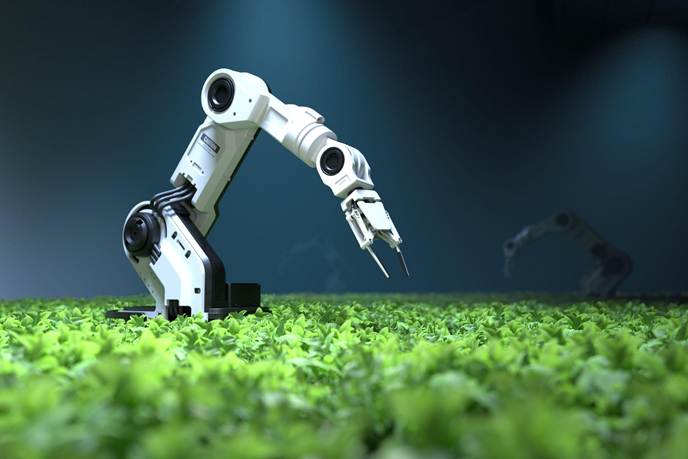
By using AI, we can understand nature better, protect animals and plants, reduce harm to the planet, and make our world cleaner and healthier.
AI and Accessibility: Helping Everyone Connect
AI is making a big difference in the lives of people who have disabilities. These are people who may have difficulty seeing, hearing, speaking, or moving. AI helps them live more independently and connect better with others.
For example, people who are blind can use AI apps on their phones that describe what is around them. If they hold the phone near a sign or an object, the app reads it out loud so they know what it is. Some apps can even read books or menus for them.
People who are deaf or hard of hearing can use AI that turns speech into text on their phone or screen. This way, they can read what someone is saying during a conversation or a class. There are also smart systems that turn sign language into spoken words, helping more people communicate easily.
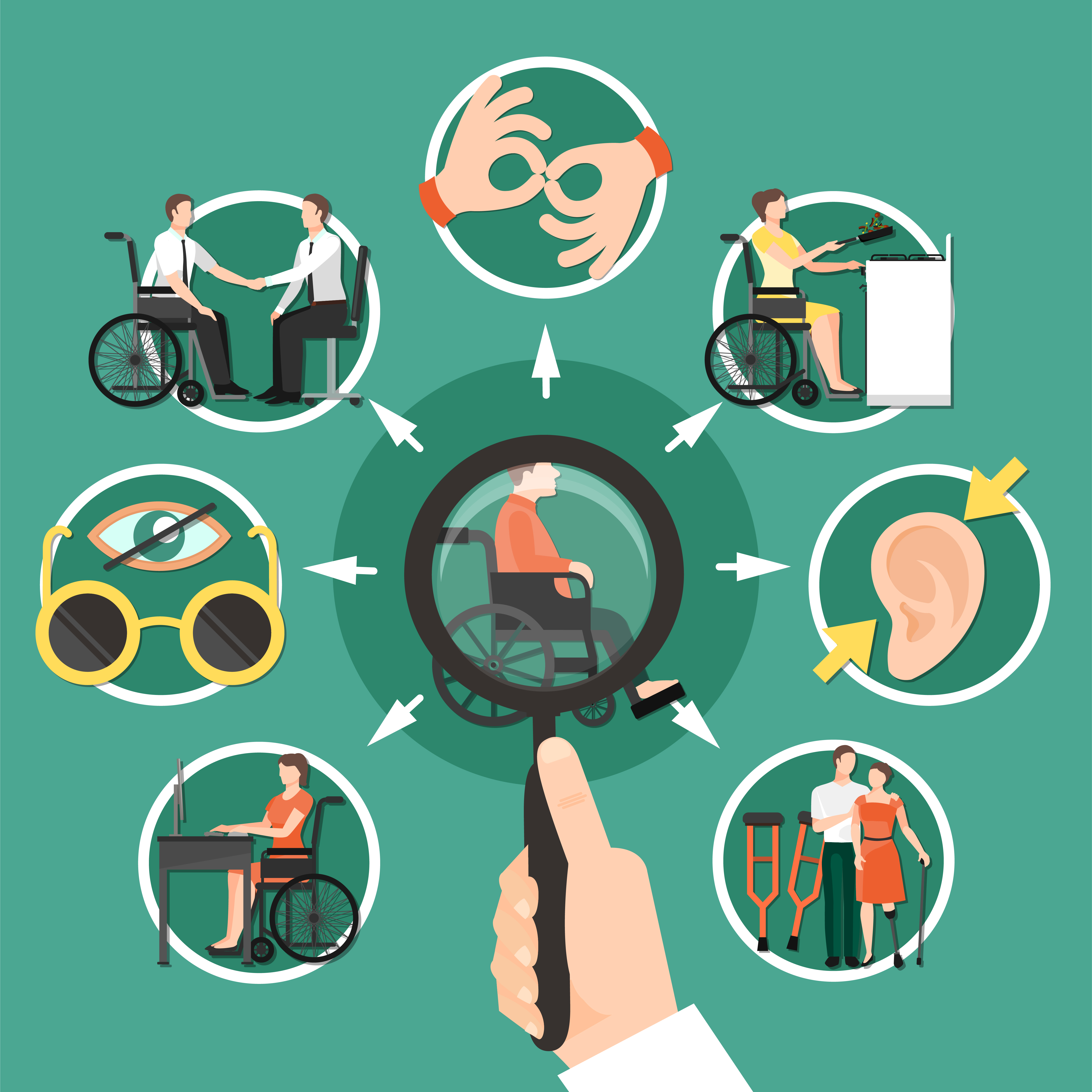
AI is also helpful for those who find it hard to move or type. Voice-controlled assistants allow them to call someone, send a message, or even turn on lights just by speaking.
In schools, AI tools help children with learning disabilities by reading aloud, guiding them through steps, or showing pictures with sounds. This helps them learn at their own pace and keeps them included in the classroom. With AI, more people can do things on their own, feel confident, and enjoy the same chances as everyone else.
AI is not just something from the future, it is already here, quietly improving the way we live, learn, work, and explore. From helping doctors save lives to supporting students in school, from protecting the environment to assisting people with disabilities, AI is making a real difference in the world.
As AI continues to grow and improve, it will bring even more useful changes. With careful use and responsible choices, AI can help us solve big problems and build a smarter, kinder, and more connected world for everyone. However, these advancements come with their own limitations and ethical challenges that we must understand to use artificial intelligence to its full potential.