Artificial Intelligence has come a long way. In the beginning, AI systems could only follow fixed rules and do exactly what they were programmed to do. Later, they learned to recognize patterns, make predictions, and respond more intelligently to data. But now, a new kind of AI is emerging, one that can plan, reason, and act on its own. We call this Agentic AI, and it marks one of the biggest steps forward in the history of artificial intelligence.
Agentic AI marks the point where machines start to take initiative. Instead of only reacting to commands, they can decide what to do next to reach a goal, much like a human would. They can break big problems into smaller parts, make decisions, and learn from what happens. This is not about creating smarter chatbots. It is about building AI systems that can think, plan, and work in complex, changing situations. These systems act with intention rather than simply following instructions.
Defining Agentic AI
The word agentic comes from the term agency, which means having the ability to act intentionally toward achieving goals. Agentic AI refers to systems that demonstrate autonomy, they perceive their environment, make decisions, plan actions, and execute them without continuous human direction.
Fun Fact
The term agentic AI was popularized in 2024–2025 as a way to describe AI models that go beyond simple automation.
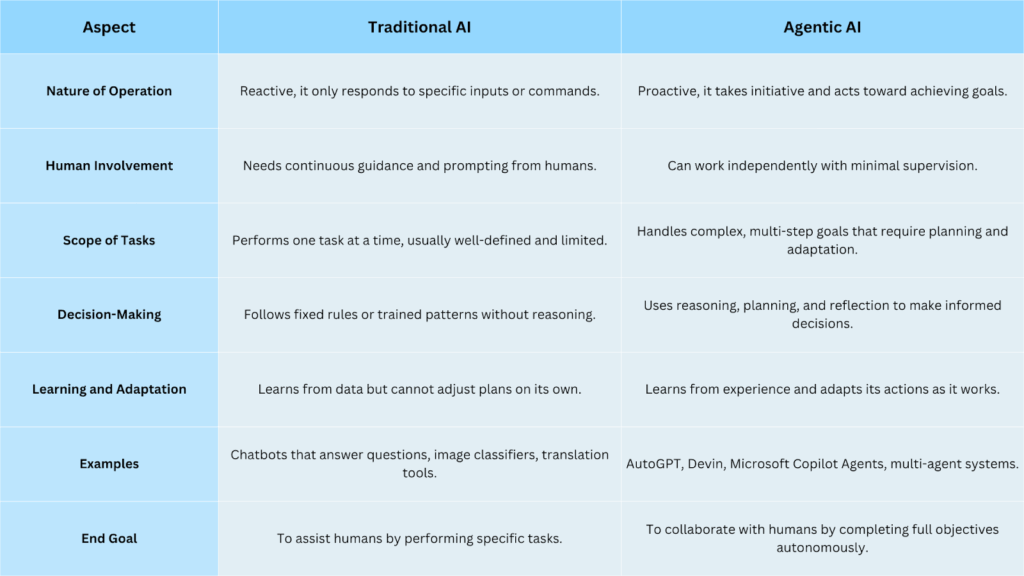
In simple terms, while traditional AI responds to what you tell it, agentic AI figures out what needs to be done and does it. It combines perception, reasoning, planning, and execution in one continuous cycle, allowing it to handle dynamic and multi-step tasks.
Traditional AI vs. Agentic AI
Real-World Examples of Agentic AI
Several systems today already show what agentic AI can do:
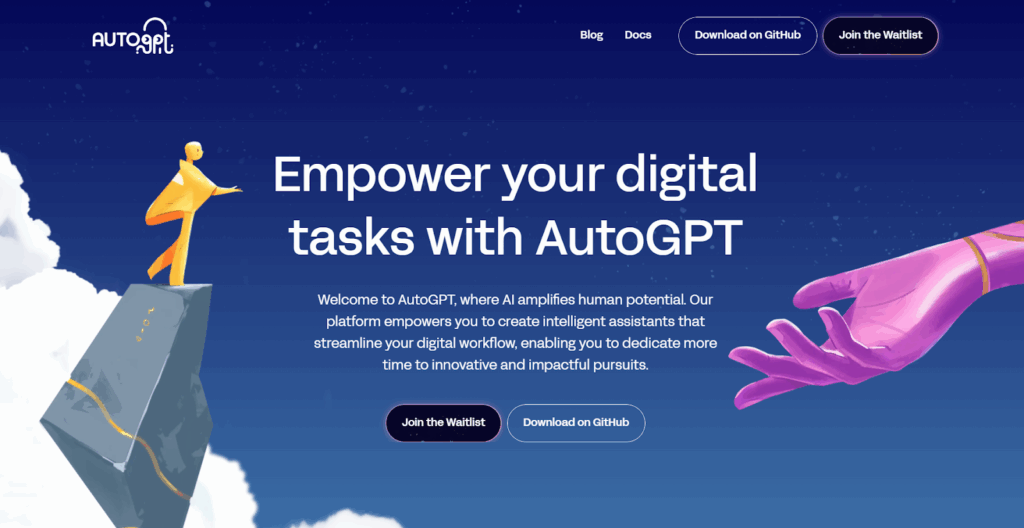
- AutoGPT: One of the first open-source agentic systems. You can give it a high-level goal like “research market trends and write a report,” and it will break the task into smaller steps, search the web, write drafts, and refine the output on its own.
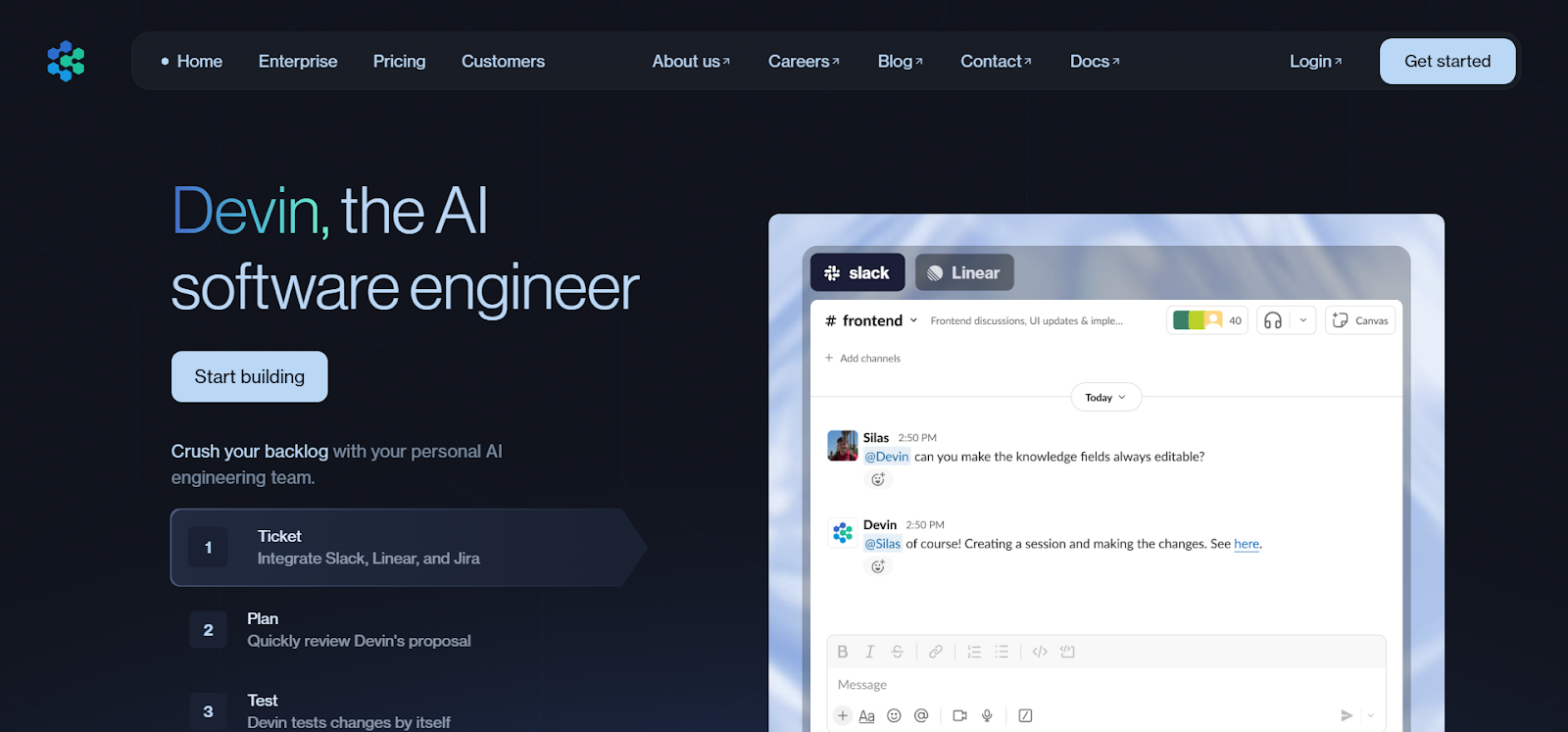
- Devin (by Cognition AI): The world’s first AI software engineer. Devin can plan an entire software project, write and debug code, run tests, and deliver a working product, acting as a full autonomous developer.
- Microsoft Copilot Agents: Integrated within Microsoft 365, these agents can plan meetings, summarize documents, and even coordinate tasks across apps without manual triggers.
- CrewAI and LangChain Agents: Frameworks that connect multiple AI models to work collaboratively, each with specialized roles (like researcher, writer, or reviewer) that coordinate to reach a shared goal.
These examples show the shift from AI as a tool to AI as a collaborator, capable of completing full tasks, adapting to new information, and learning through iteration.
How Agentic AI Works at a High Level
Although the detailed mechanics will be explored in the next article, it’s worth understanding the basic cycle that makes agentic systems “agentic.”
They operate on a Perception → Reasoning → Planning → Action loop:
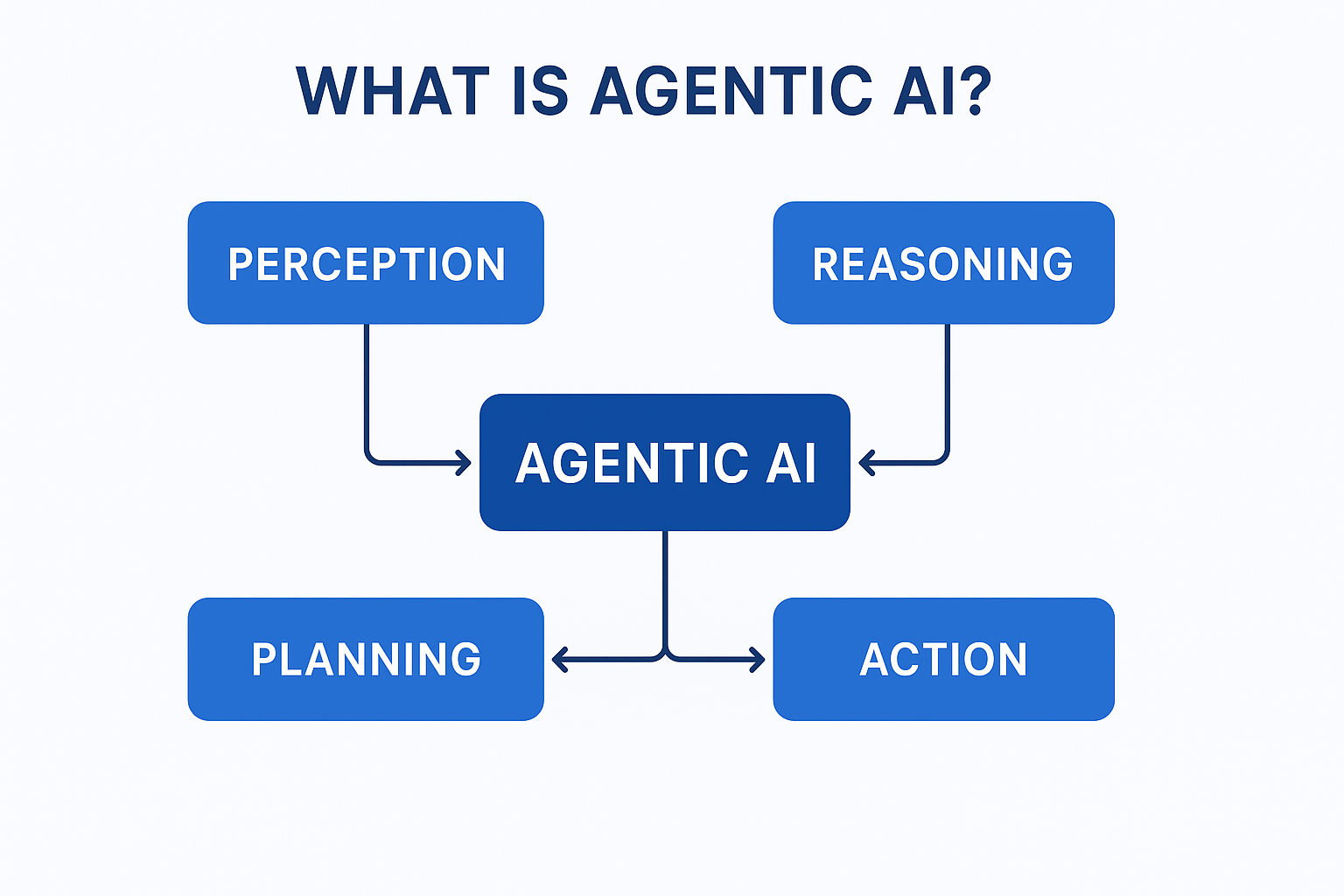
- Perception: Understanding the environment or data.
- Reasoning: Making sense of information and identifying what needs to be done.
- Planning: Laying out a step-by-step approach to achieve the goal.
- Action: Executing the plan using tools, APIs, or interacting with humans.
- Feedback Loop: Observing outcomes, learning, and adjusting future steps.
This continuous loop makes agentic systems dynamic, they adapt in real time, which is something older AI systems couldn’t do.
Did you know?
Some agentic frameworks already allow AI to control browsers, run code, and manage files all by itself.
Ethical and Control Considerations
With autonomy comes responsibility. As AI gains the ability to act on its own, questions arise:
- How do we ensure agents act ethically and within defined boundaries?
- Who is accountable if an autonomous agent makes a harmful or biased decision?
- How much control should humans retain?
These are early but essential discussions and they’ll become even more relevant as agentic systems grow more capable.
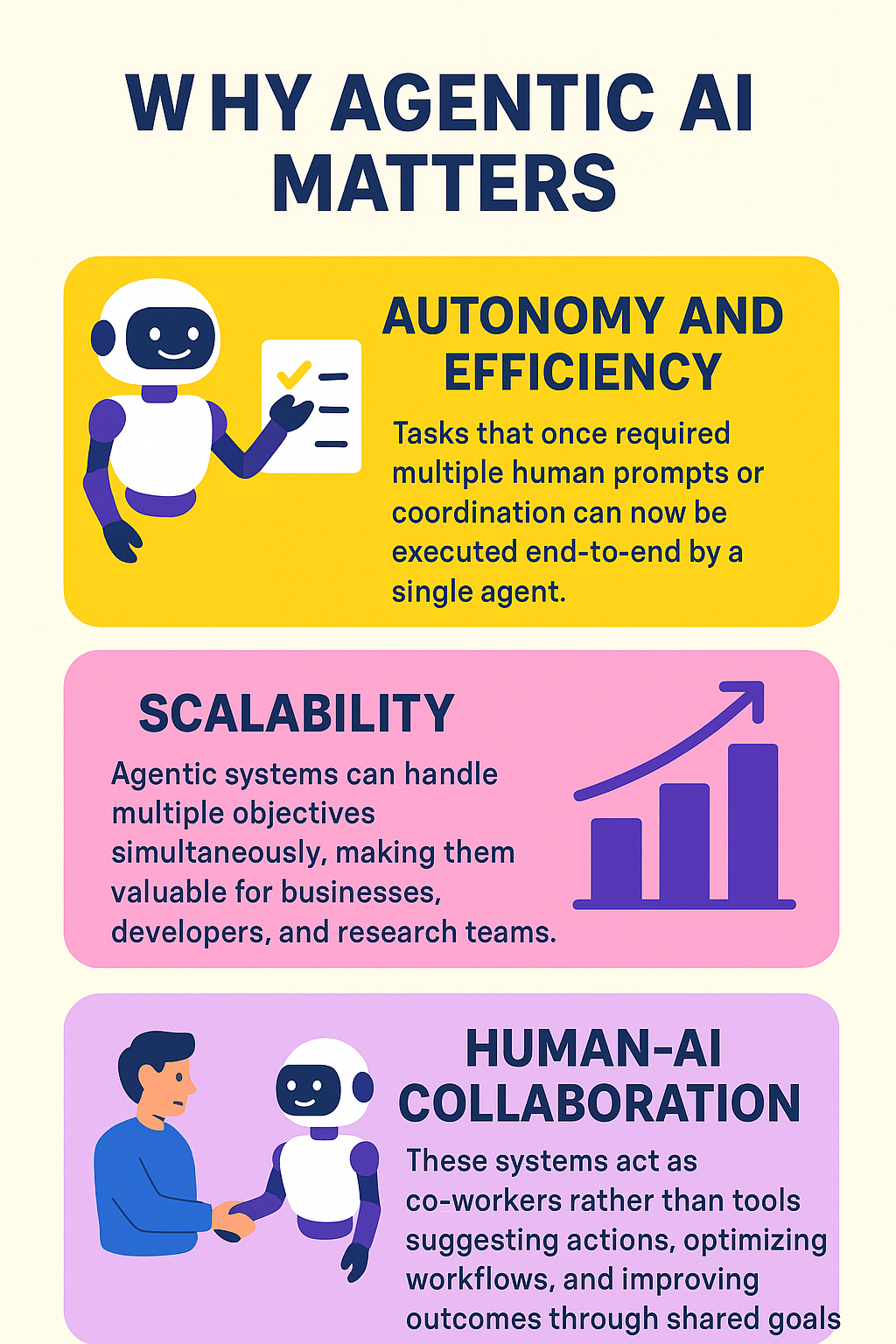
Agentic AI is not just an upgrade. It is a major change in how machines think and work. This new phase of artificial intelligence goes beyond responding to commands. It allows AI systems to take initiative, plan their actions, and work with people to achieve goals. This change turns AI from a simple helper into a true partner. Instead of waiting for instructions, agentic systems can look at a situation, make decisions, and adjust their actions as they go. They can manage tasks, solve problems, and even collaborate with humans in creative ways.
The rise of agentic AI points to a future where technology is more interactive and independent. It will be able to understand what we need, take action, and help us reach our goals. In this new world, humans and AI will work together as teammates, combining human judgment with machine intelligence to create better results.