Many people think prompt engineering is just about asking artificial intelligence questions, like one would with a search engine. For example, “When was the internet invented?” or “What is climate change?”. While artificial intelligence can answer those questions, that is only a tiny part of what prompts can do.
Prompt engineering has a much wider range of applications. It can be used for generating content, summarising long information, creating stories, designing visuals, solving problems, and even carrying out calculations. It has both technical uses (like coding or data analysis) and creative uses (like writing, art, or brainstorming).
In this article, we will focus on the creative side of prompt engineering. You will learn how creative prompts can be applied in different ways, see examples of how to write them effectively, and understand which industries benefit most from these applications.
How to Write Strong Creative Prompts
Writing effective creative prompts is itself a creative skill. Strong prompts combine clarity, guidance, and flexibility.
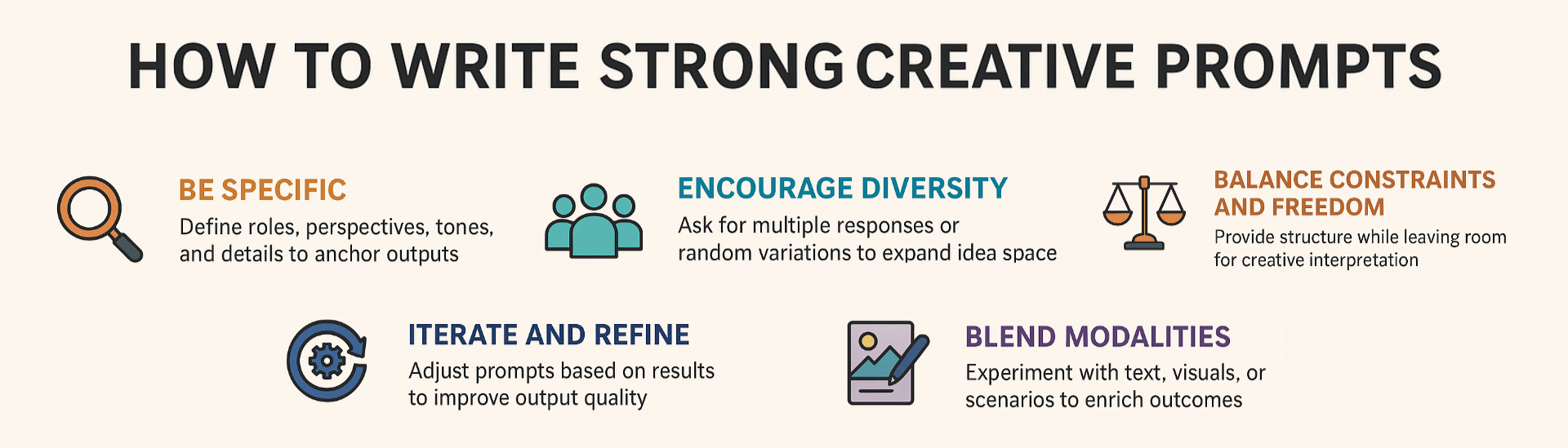
By applying these principles, you turn simple queries into powerful creative prompts that unlock the full potential of artificial intelligence.
Enhancing Creativity with Randomness and Constraints
One of the most powerful techniques in creative prompt design is the use of randomness and constraints. These two elements, although opposite in nature, work together to push creativity further.
- Randomness: By asking the AI to generate random ideas or multiple variations, you invite unexpected connections. This is particularly helpful in brainstorming sessions where fresh perspectives are needed.
Example: “List five random inventions that mix ancient tools with modern technology.” - Constraints: Creativity often flourishes when boundaries are set. By restricting the format, perspective, or length, you encourage the AI to innovate within limits.
Example: “Write a 100-word story about a lost key, but every sentence must start with the word ‘When’.”
Both techniques prevent outputs from becoming repetitive or predictable, helping creative professionals generate more original results.
Creative Applications of Prompt Engineering
Creative applications showcase how prompt engineering transforms artificial intelligence into a collaborator rather than just a tool. These applications are some of the ways that we can use creative prompts to effectively use AI models.
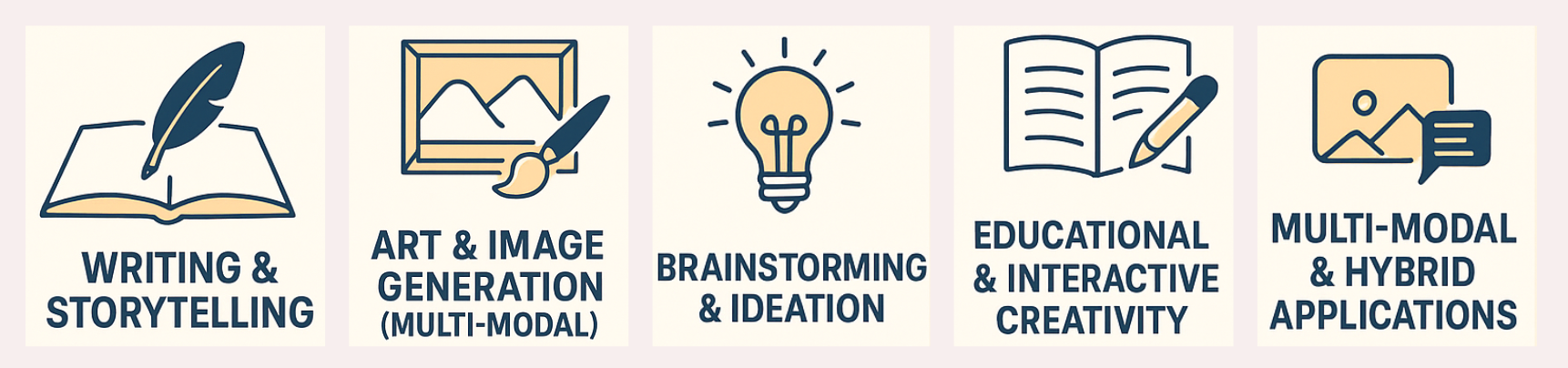
Writing and Storytelling
Writing is one of the most exciting creative applications of prompt engineering. Many writers, students, and even professionals struggle with the dreaded “blank page syndrome”, that feeling of not knowing where to start.
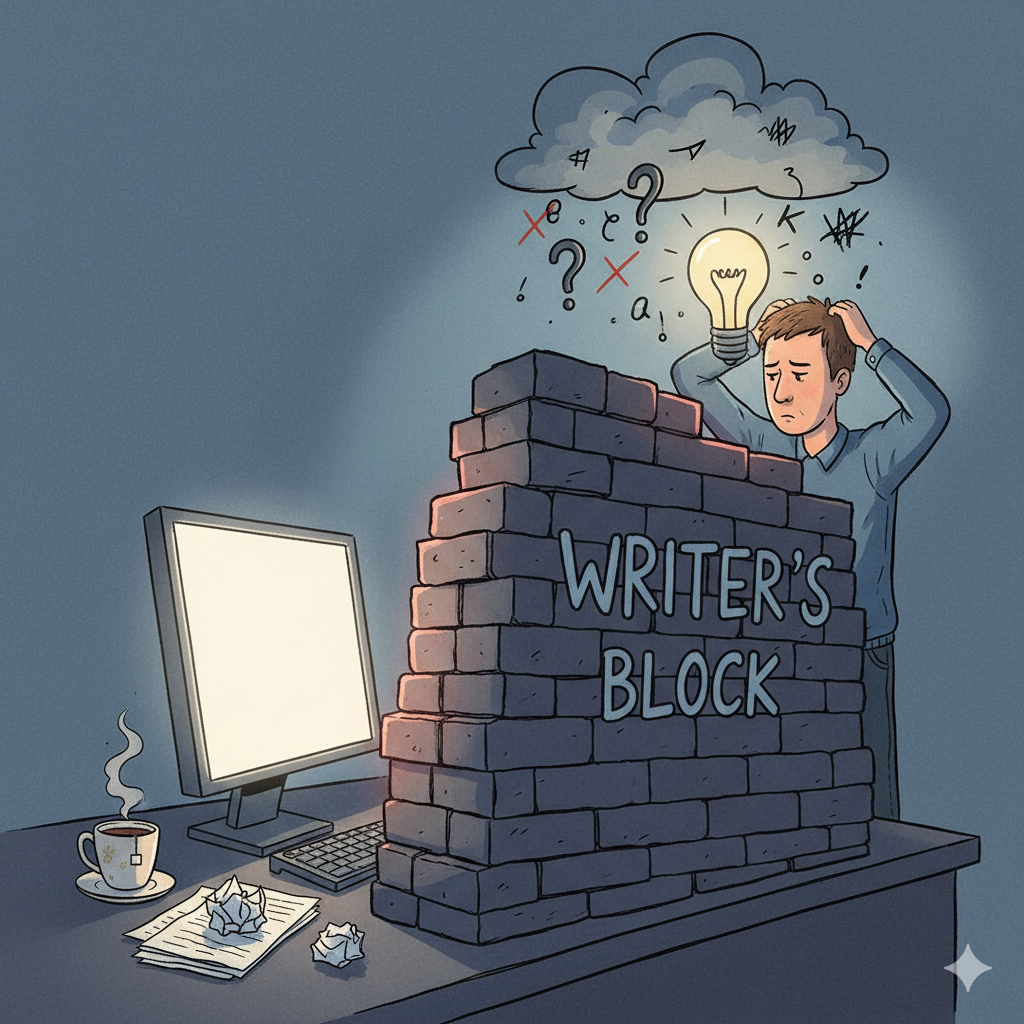
Creative prompts can help break that barrier by sparking new ideas, suggesting fresh directions, or even generating entire passages of text. With the right instructions, artificial intelligence can create original stories, poems, character sketches, or dialogue for plays and movies, giving you a partner in the writing process rather than just a tool.
The way this works is simple but powerful: you give the system a role to play, provide it with context about the situation, and add any constraints you want it to follow. For example, the prompt, “You are a fantasy novelist. Write a 500-word scene where a warrior discovers their sword can speak. The tone should be mysterious, with the sword’s dialogue filled with riddles.” This works well because it tells the system exactly who it should act as (a fantasy novelist), what it should produce (a 500-word scene), and how it should feel (mysterious, with riddle-like dialogue).
Use Cases:
- Novelists and writers brainstorming plot twists or character arcs.
- Screenwriters generating dialogue variations.
- Students trying to learn creative writing.
- Bloggers drafting multiple introductions for the same article.
Sample Prompts:
- Role-based prompt: “You are a 19th-century detective writing a journal. Describe a mysterious theft in London.”
- Constraint-driven prompt: “Write a 200-word horror story told from a cat’s perspective.”
- Scenario prompt: “Suggest five plot twists for a sci-fi story about time travel gone wrong.”
AI Tips:
Adding details such as role (children’s author), audience (6-year-olds), and tone (magical) makes the output more relevant and engaging.
Art and Image Generation
Art and image generation is another powerful creative application of prompt engineering. Not everyone can paint or design, but with the right creative prompts, anyone can produce imaginative visuals. These prompts allow artificial intelligence to translate words into pictures, making it possible to design concept art, illustrations, or even experimental styles without needing professional drawing skills.
The process works much like storytelling prompts. You provide a description of the scene, add details such as colors, lighting, and mood, and mention any artistic style you want it to mimic. For example, the prompt: “Draw a futuristic city at night with glowing neon signs, flying cars, and a river reflecting the lights. The style should look like a science fiction movie poster.”
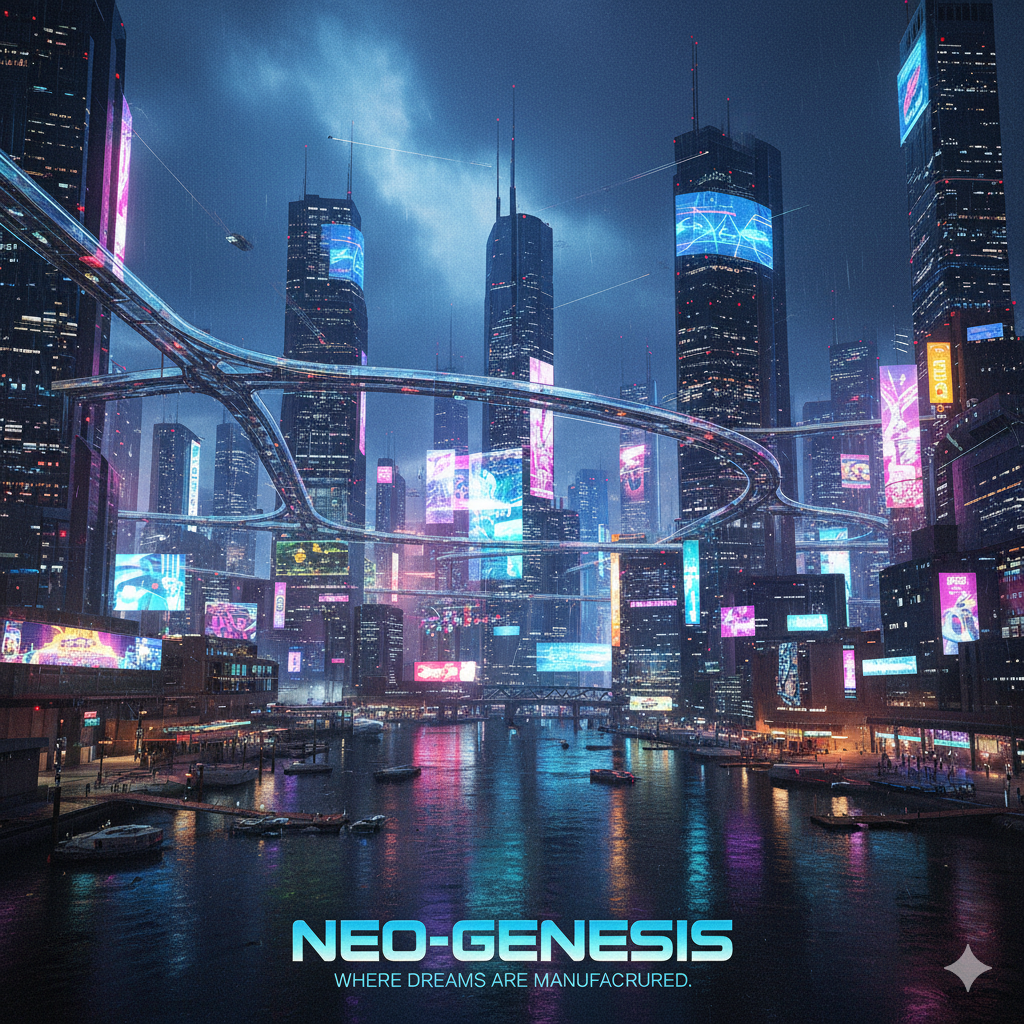
This works well because it combines subject (city at night), features (neon signs, flying cars, reflections), and artistic style (science fiction poster) into one cohesive instruction.
Use Cases:
- Graphic designers exploring logo variations.
- Game developers visualize characters or landscapes.
- Architects experimenting with conceptual layouts.
- Teachers making illustrations for learning materials.
Sample Prompts:
- Descriptive prompt: “A futuristic city at sunset, neon lights reflecting on wet streets, cinematic perspective.”
- Stylistic prompt: “Draw a surreal landscape in the style of Salvador Dalí with floating clocks.”
- Hybrid prompt: “A medieval knight exploring a space station, watercolor style.”
AI Tips:
The more descriptive you are about the mood, style, and details, the closer the output will match your imagination. Combining unusual ideas, such as knights in space or cats playing chess, often leads to the most original results.
Brainstorming and Ideation
Brainstorming is one of the simplest yet most effective creative uses of prompts. Instead of spending hours stuck in a meeting room searching for ideas, you can guide artificial intelligence to generate dozens of possibilities within seconds. This makes it a valuable partner for businesses, writers, entrepreneurs, and students alike.
The idea is to keep prompts open enough to invite variety but structured enough to stay on topic. For example, the prompt: “Suggest ten creative advertising slogans for an eco-friendly fashion brand. Make them short, catchy, and appealing to young adults.” produces not just one answer, but a range of options you can refine and adapt.
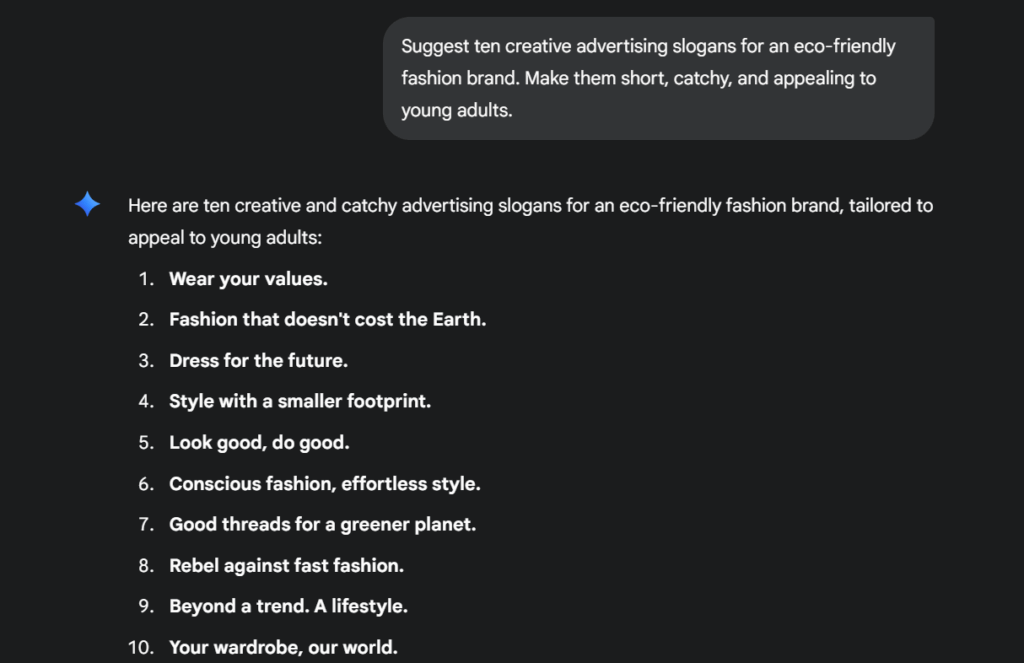
You can also share your own thought process with the model to help fill the empty blanks and generate new ideas.
Use Cases:
- Marketing teams crafting slogans for new campaigns.
- Entrepreneurs testing out new product concepts.
- Game studios designing quests, characters, or mechanics.
Sample Prompts:
- Idea generation prompt: “List ten futuristic inventions for a city built under the ocean.”
- Constraint-driven prompt: “Suggest five startup ideas that solve problems in education using only mobile phones.”
- Scenario-based prompt: “Imagine five quests for a fantasy role-playing game involving time travel and ancient ruins.”
AI Tips:
Always ask for multiple outputs to give yourself options. Even if some ideas are unusable, they can spark new directions you would not have thought of on your own.
Educational and Interactive Creativity
Education becomes far more engaging when it is interactive, and creative prompts are a great way to bring lessons to life. Instead of only explaining concepts, teachers and trainers can use prompts to generate stories, activities, or role-play scenarios that make learning memorable. It can also be used by students to learn at their own pace, in a more engaging manner.
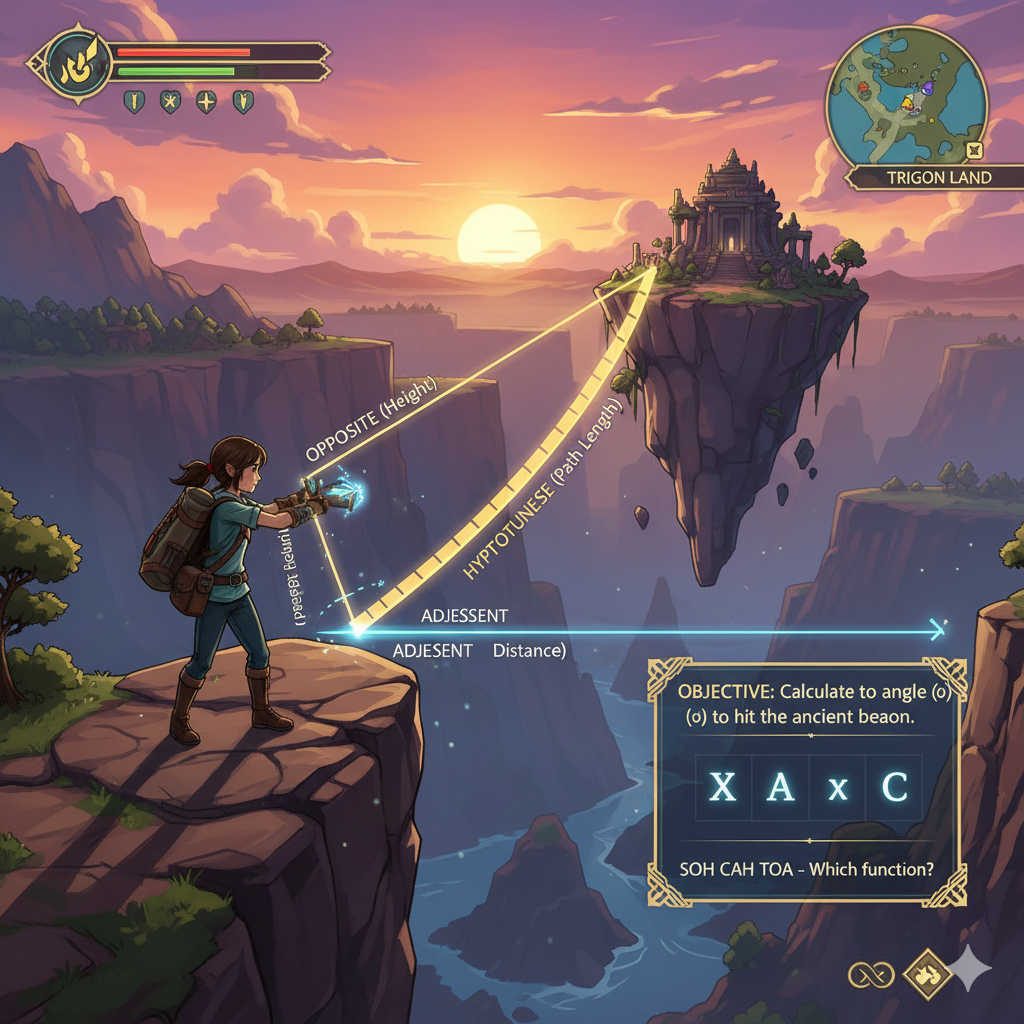
Image Source: Gemini
It works by combining educational goals with storytelling or playfulness. For example, the prompt: “Write a short interactive story to teach children about recycling. At three points in the story, give the reader choices about how the characters should recycle different items.” This is effective because it mixes knowledge (recycling) with creativity (interactive storytelling).
Use Cases:
- Teachers create storytelling exercises for children.
- Trainers designing scenario-based learning modules.
- Students using AI to practise creative problem-solving.
- Parents designing bedtime stories that teach values.
Sample Prompts:
- Role-based prompt: “Act as a math tutor. Create a story where solving puzzles teaches fractions to 10-year-olds.”
- Scenario prompt: “Design a quiz where students must help a time-traveling historian fix mistakes in history.”
- Interactive prompt: “Create a choose-your-own-adventure game to explain how renewable energy works.”
AI Tips:
When mixing creativity with learning, always specify the audience (age group or skill level) so the response matches the learners’ needs.
Multi-Modal and Hybrid Applications
Sometimes the best results come when different creative areas are combined. Hybrid applications use prompts to generate outputs that mix text with visuals, stories with diagrams, or dialogue with design concepts. These multi-modal creative prompts open up possibilities for projects that feel more complete and engaging.
The way this works is by asking artificial intelligence to handle more than one layer of creativity in a single prompt. For example, “Create a comic strip with three panels. Show a robot and a human debating whether technology helps or harms creativity. Provide dialogue for each character and describe the background for each panel.” This prompt gives clear instructions on both text (dialogue) and visuals (panel descriptions), leading to a richer output.
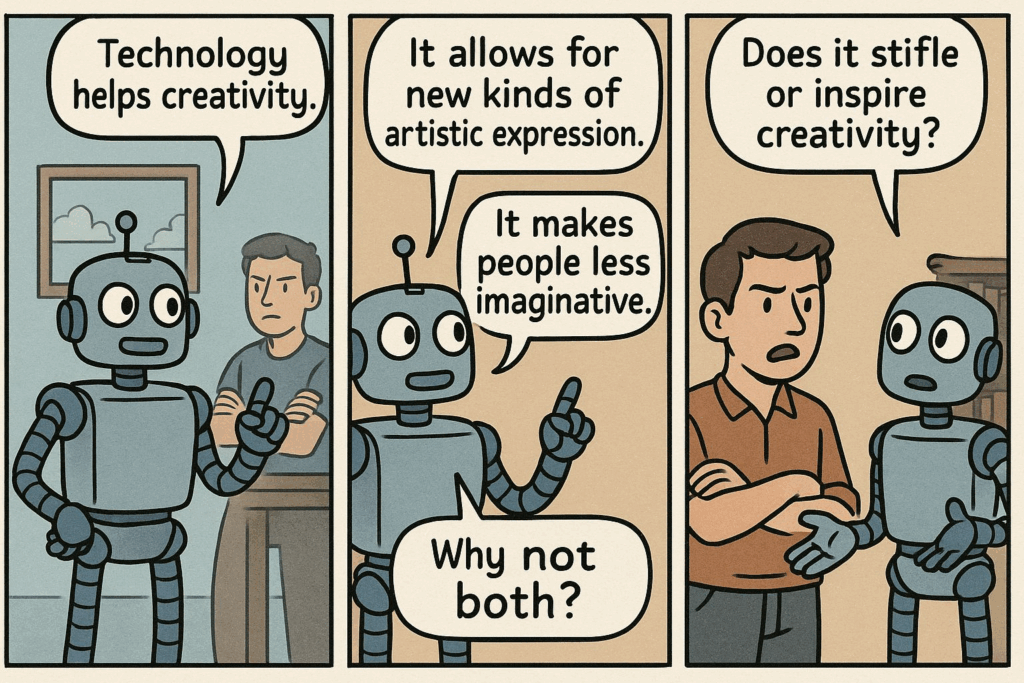
Use Cases:
- Content creators designing comics with text and images.
- Educators combine maps, stories, and legends for immersive lessons.
- Marketing teams generating product visuals with accompanying descriptions.
Sample Prompts:
- Hybrid storytelling: “Write a legend for a fantasy world map and generate an illustration of the map.”
- Text + design: “Create a storyboard for a short advertisement, including captions and visual scene descriptions.”
- Educational hybrid: “Write a science fact sheet on planets with matching illustrations for each one.”
AI Tips:
The key to success in multi-modal prompts is clarity. Be clear about what text is needed, what visuals are expected, and how they should connect. The more you tie the pieces together, the more coherent the output will be.
Did you know?
AI-generated art made only from text prompts cannot be copyrighted in the U.S. because it lacks a human creator Read More.
Where Creative Prompt Engineering is Used
Creative prompts are not limited to hobbyists or individual creators. They span industries where imagination, communication, and problem-solving are central. Here is how prompt engineering enhances different sectors:
- Writing and Publishing: Authors can generate plot ideas, editors can draft multiple versions of headlines, and journalists can experiment with engaging leads.
- Entertainment and Media: Filmmakers can outline scripts, game developers can design immersive quests, and musicians can brainstorm lyrics.
- Advertising and Marketing: Agencies can test slogans, create campaign storyboards, and explore brand identities.

- Education and E-Learning: Teachers can design creative lesson plans, interactive exercises, or personalised learning content.
- Design and Visual Arts: Artists and architects can prototype ideas, fashion designers can experiment with styles, and product designers can explore aesthetics.
- Technology and Innovation: Startups and research teams can generate new product concepts or test out futuristic scenarios quickly.
In each of these industries, a prompt engineer acts as the bridge between human creativity and artificial intelligence capabilities, ensuring that prompts are crafted to deliver high-quality, relevant, and imaginative results.
Many people are worried about AI replacing creative jobs, however the real strength of creative prompts lies in how they open doors to ideas you might never have considered on your own. They encourage experimentation, spark imagination, and help turn vague thoughts into tangible stories, images, or solutions. Instead of viewing artificial intelligence as a replacement for creativity, think of it as a collaborator that can push you past limits and into new creative territory.